In this guide9 sections
The short answer: December to March is the best time to visit Phuket if you want dry days, flat turquoise seas and every island trip available. November and April are close behind. May to October is the green season: cheaper, quieter and lusher, with rain that usually comes in heavy bursts rather than all day, but rougher seas on the west coast and fewer island options. Which month is “best” really depends on what you want to do on the water, and that is what this guide is about.
How do Phuket’s seasons work?
Phuket has two monsoons. From roughly November to April, the north-east monsoon brings dry air from the mainland, and the Andaman Sea on Phuket’s west side is calm. From roughly May to October, the south-west monsoon blows in from the Indian Ocean, bringing rain, wind and swell straight onto the west-coast beaches. Temperatures barely change all year, with daytime highs of around 30–34°C, so the real difference is rain and sea state.
| Season | Months | Weather | Sea | Crowds and prices |
|---|---|---|---|---|
| Cool and dry (high season) | December–February | Sunny, low humidity, little rain | Calm and clear, the best visibility | Busiest and most expensive, especially around 20 December–10 January |
| Hot season | March–April | Hottest and humid, the odd afternoon storm | Mostly calm | Busy until Easter, then easing |
| Green (rainy) season | May–October | Showers and storms, sunny spells between | Swell and red flags on west-coast beaches; sheltered bays stay calm | Quietest, with the best hotel deals |
| Shoulder | November | Rain fading, mostly sunny by late month | Settling down | Picking up fast |
Phuket month by month
- January: one of the most reliable months of the year. Dry, breezy and calm, with excellent visibility at the Similans and Racha. Book popular tours a few days ahead.
- February: just as good, and often the driest month. Chinese New Year usually falls in late January or February and brings lanterns and lion dances to Phuket Old Town, as well as extra visitors from across Asia.
- March: getting hotter, still very calm. Great snorkelling, and the start of the best period for larger marine life at the dive sites further offshore.
- April: the hottest month, with flat seas most mornings and occasional afternoon thunderstorms. Songkran, the Thai New Year water festival, runs from 13 to 15 April.
- May: the turning point. The first monsoon storms arrive, and the Similan and Surin parks close on 15 May. Prices drop sharply.
- June: green season proper. Swell on the west-coast beaches, which is good for surfers but less so for swimmers. Phang Nga Bay trips run normally.
- July: similar to June. Mornings are often calmer than afternoons, so morning departures are more reliable. Expect some cancellations on open-sea routes.
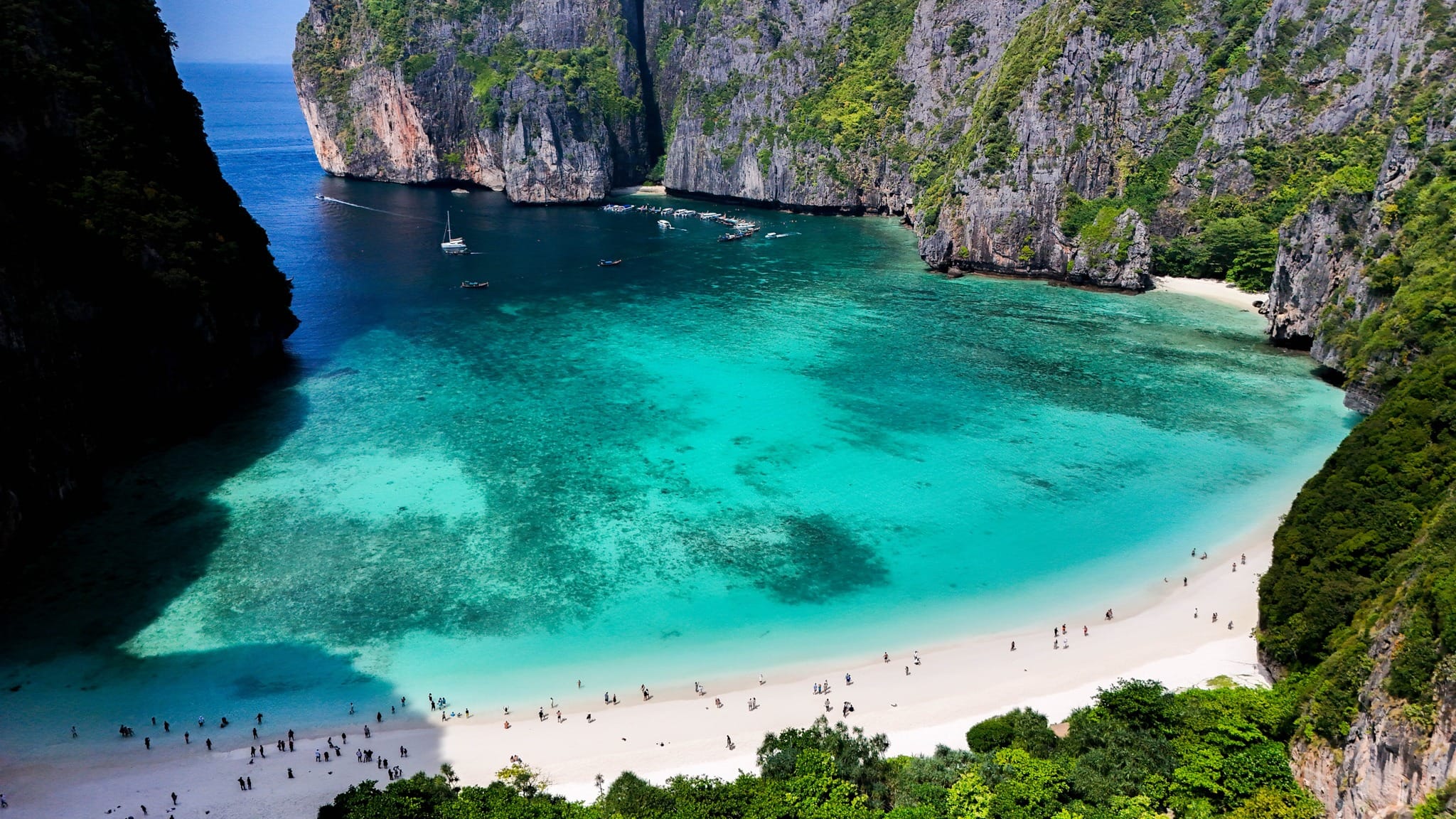
- August: mixed, with bright spells. Maya Bay beach closes for its annual two-month rest (1 August to 30 September in 2026), though boats can still view it from the water.
- September: usually the wettest month. Good for budget travellers who don’t mind flexible plans; avoid it if your trip hinges on one specific island day.
- October: still rainy, but improving towards the end. The Similan and Surin parks reopen on 15 October. The Phuket Vegetarian Festival usually falls in late September or October, following the Chinese lunar calendar.
- November: the shoulder month and a quiet favourite of ours. The sea settles, the islands are green, and crowds haven’t peaked. Loy Krathong, the festival of lights, falls on the November full moon (24 November in 2026).
- December: high season begins. Beautiful weather and a festive atmosphere, but the last two weeks are the most expensive and most booked-up of the year. See our Christmas and New Year planning guide.
Which island trips work best in which months?
This is the part most weather guides skip. Not every island is open, or comfortable to reach, all year round.
| Destination | Best months | Green season? |
|---|---|---|
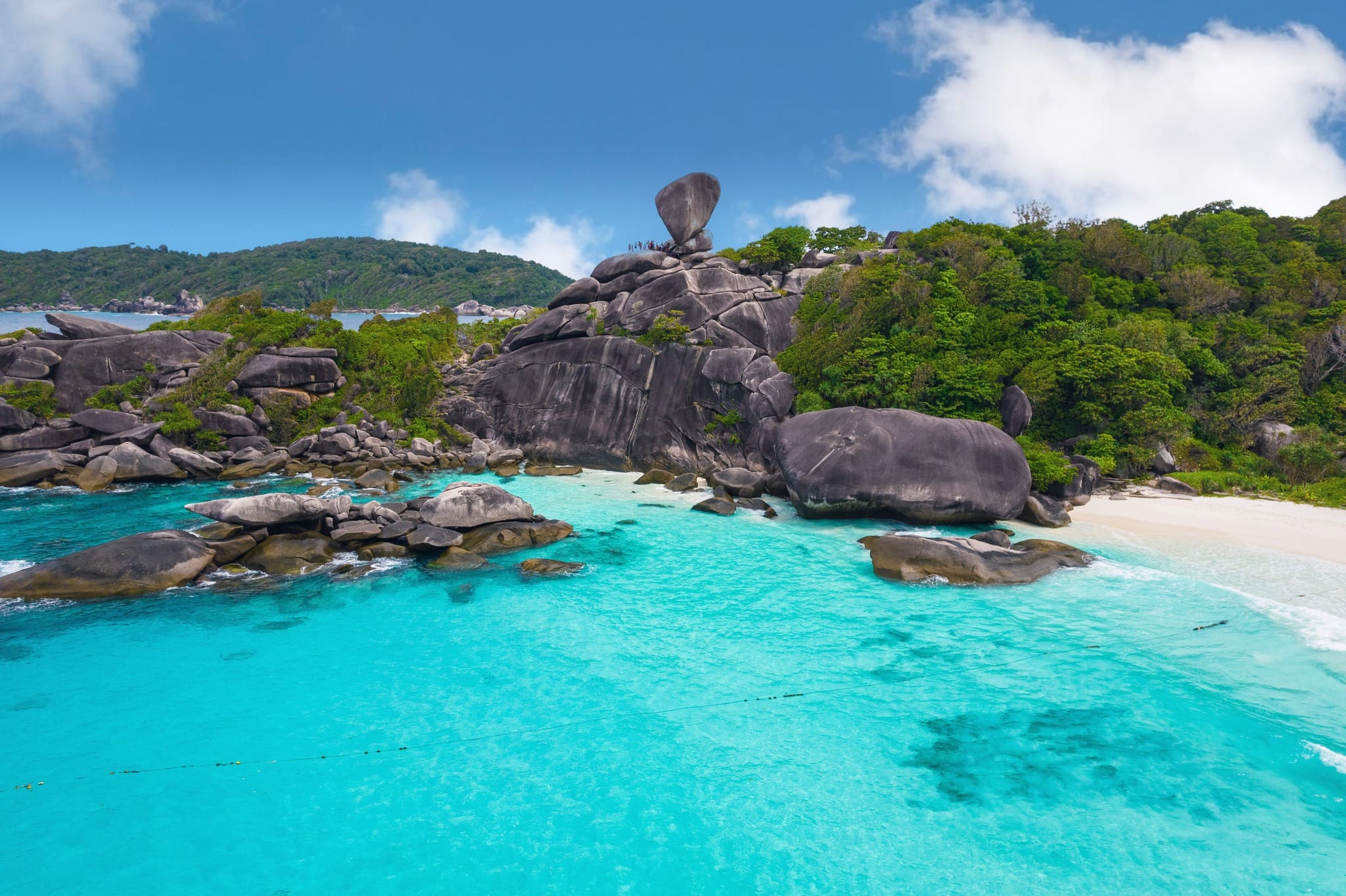
| Similan Islands | December–April | Closed 16 May to 14 October |
| Surin Islands | November–April | Closed 16 May to 14 October |
| Phi Phi and Maya Bay | November–April | Runs most days; crossing can be rough; Maya Bay beach closed in August and September |
| Phang Nga Bay and James Bond Island | All year | Yes, sheltered by the mainland and the karst islands |
| Racha and Coral Islands | November–April | Usually runs, closer to Phuket so a shorter crossing |
| Elephant sanctuary visits | All year | Yes, and the jungle is at its greenest |
The Similans and Surin are open-sea destinations far from shore. When the park is open, they are spectacular; when it is closed, no amount of money will get you there. Read our Similan season guide for the details. Phang Nga Bay is the opposite: it is calm enough to visit even in September, which is why our James Bond Island big boat tour is a safe pick whenever you travel.
Is the green season worth it?
For many travellers, yes. Hotels can cost a fraction of their December rates, beaches and viewpoints are quieter, and the island interiors are lush. Rain often arrives as a dramatic downpour that clears within an hour or two. The trade-offs are real, though:
- Swimming: red flags on Patong, Kata, Karon and other west-coast beaches mean dangerous rip currents. Lifeguards are not there for decoration; please respect the flags.
- Boat trips: open-sea crossings can be bumpy and are occasionally cancelled at short notice. Operators decide on the morning, based on the marine weather forecast.
- Visibility: snorkelling is usually murkier after heavy rain and swell.
Our tip: if you travel between May and October, don’t lock your favourite island trip into the last day of your holiday. Plan it early so there is room to move it, and choose sheltered routes such as Phang Nga Bay or the Coral and Racha Islands catamaran, which stays close to Phuket. For the full picture, read is Phuket’s green season worth it?
When is Phuket cheapest, and when is it busiest?
The cheapest months are usually May, June and September. The most expensive stretch is from around 20 December to the first week of January, when many hotels also add compulsory gala dinners on Christmas Eve and New Year’s Eve. Chinese New Year and the Easter holidays bring smaller spikes. Tour prices don’t change much through the year, but availability does: in peak weeks the best boats can sell out several days in advance.
How warm is the sea, and how long are the days?
The Andaman Sea around Phuket stays warm all year, usually around 28–30°C, so you will not need a wetsuit for snorkelling in any month. A thin rash guard is still worth packing, for sun protection rather than warmth. Because Phuket is close to the equator, day length barely changes: the sun rises at around 6–7 am and sets at around 6–7 pm whatever the season. That matters for planning, because sunset cruises always return in the early evening and a full-day island trip uses most of the available daylight.
What if it rains on your tour day?
A grey morning does not mean a cancelled trip. Tropical showers often pass quickly, and the sea state matters far more than the clouds. The local operator makes the final call early on the day, based on the marine forecast and harbour warnings. If they decide it is not safe to sail, you will be offered another date or a refund. That is one more reason to book island days early in your stay. And if a stormy afternoon does keep you ashore, Phuket Old Town’s cafés, museums and shophouse streets make a good plan B.
Our honest recommendation
- First visit, want the classic postcard: mid-December to March.
- Good weather without peak prices: late November, early December or April.
- Snorkelling and diving focus: January to April, when the Similans and Surin are open and calm.
- Budget, flexible, happy with some rain: May to October, with Phang Nga Bay and sanctuary visits as your safe bets.
Whatever the month, a little preparation goes a long way. Our island day trip packing list covers sun, rain and seasickness.
Tell us when you are coming and what you love doing, and we will suggest the island trips that suit those exact dates. Browse all our Phuket day trips or ask our local team for a plan built around your weather window.
Frequently asked questions
What is the best month to visit Phuket?
January and February are the most reliable months, with dry weather, calm seas and excellent visibility for snorkelling. December and March are almost as good.
What is the rainiest month in Phuket?
September is usually the wettest month, closely followed by October. Rain tends to fall in heavy bursts with sunny spells in between, rather than all day.
Can you do island tours in Phuket during the rainy season?
Yes, but choose sheltered routes. Phang Nga Bay runs all year, and Phi Phi and Racha trips run on most days. The Similan and Surin Islands are closed from mid-May to mid-October.
Is it safe to swim in Phuket from May to October?
Only where lifeguards allow it. West-coast beaches often fly red flags in the south-west monsoon because of strong rip currents. Never swim when the red flag is up.